
Bicycle Chain Length Calculator
Input the length of your chainstay, and the largest size of your chainring teeth with your largest size of sprocket.
How It Works
Calculating the perfect chain length is all about the specific geometry of your drivetrain. This tool works by taking your frame's chainstay length, combined with the number of teeth on your largest chainring and rear cog, to figure out how much chain links you actually need to wrap around the system. Because bicycles' chains use a standard 1/2-inch pitch, we determine the theoretical link count required. Since chains must have an even number of links to join, the calculator rounds your result up to the nearest even integer. Finally, we convert that link count into centimeters to give you a clear measurement.
Why You Should Calculate Your Chain Length
Think of your chain as the nervous system of your drivetrain. Installing it at the wrong length is a recipe for disaster. If it’s too short, shifting into your largest cogs could snap the chain or, worse, rip your rear derailleur right off the frame, a costly frustrating mistake. Conversely, a chain that is too long will slap against your frame, skip gears, and eventually drop off the chainring, leaving you stranded. Calculating your exact link count ensures your shifting is crisp, efficient, and reliable. It is the small, smart step that prevents massive mechanical headaches and keeps your bike running perfectly.
Why & When You Should Replace Your Chain
You should replace your bicycle chain long before it snaps. Think of the chain as the "fuse" of your drivetrain. As metal pins wear down over time, the chain physically lengthens, often called "stretch." If you ignore this, that worn chain acts like a saw, prematurely grinding down the teeth on your expensive cassette and chainrings. Replacing a $30 chain is a minor maintenance task, but replacing a full drivetrain because you pushed it too far is an expensive, avoidable mistake.
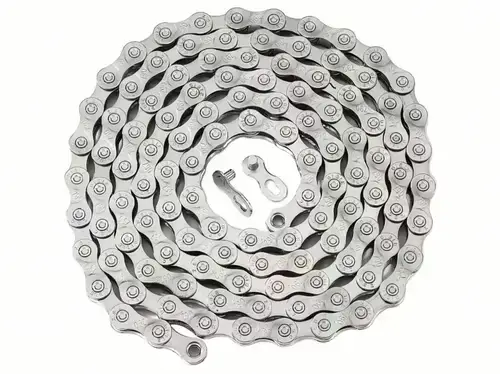
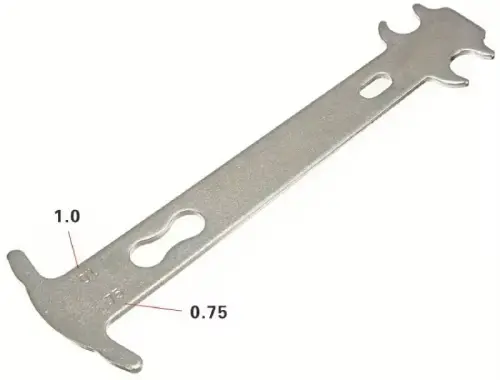
So, when is it time? Do not rely solely on mileage, as riding conditions play a massive role; gritty, wet riding kills chains much faster than dry pavement. Instead, invest in a simple chain-wear indicator tool. It is often known as a chain ruler. When it shows 0.5% to 0.75% wear, swap it out. Staying proactive here does not just improve your shifting; it protects your wallet and keeps your bike riding smooth for the long haul.
How To Replace Bicycle Chain
Follow these steps to safely swap your old chain for a fresh one.
1. Prep the Drivetrain
Shift your gears so the chain is on the smallest cog in the back and the smallest chainring in the front. This removes the most tension from the derailleur, making the chain much easier to remove.
2. Remove the Old Chain
If your chain has a "Master Link" (a link that looks slightly different from the others), use master-link pliers to pop it open. If it does not, use a chain tool to push one of the pins out until the chain separates.
3. Measure and Cut the New Chain
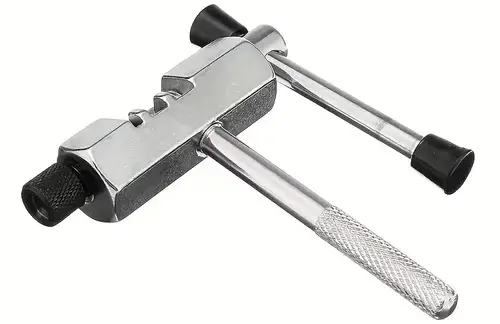
Lay your old chain next to the new one. Use the old chain as a template to determine the correct length for the new one. Use your chain tool to remove any excess links from the new chain.
4. Thread the Chain
Route the new chain carefully. It needs to go through the front derailleur, over the cassette, and crucially through the jockey wheels in the rear derailleur. It must pass through the derailleur cage, usually going over the top jockey wheel and under the bottom one.
5. Connect the Master Link
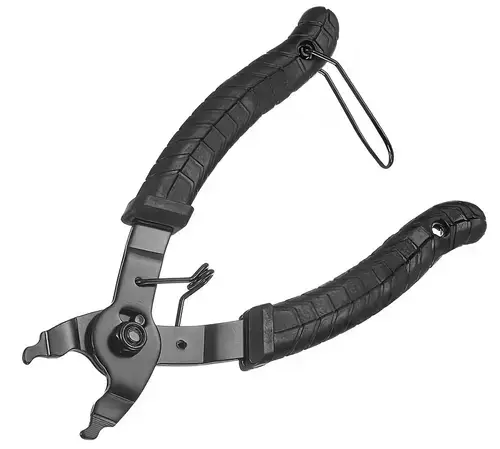
Thread the master link through both ends of the chain. Use your master-link pliers to "snap" it shut by pulling the link ends away from each other. If you do not have pliers, you can engage your rear brake and firmly press down on the pedal to snap the link into place.
Final check: Pedal slowly through all your gears to make sure the chain runs smoothly without skipping or rubbing!
Disclaimer
You are advised to consult a bike mechanic before engaging in any technical task. This page provides information just educational purpose. The webmaster is not responsible for any mechanical issue during process.